The Terrain-Matching Advantage: Why the Best Ski Equipment Is Not Always the Most Advanced

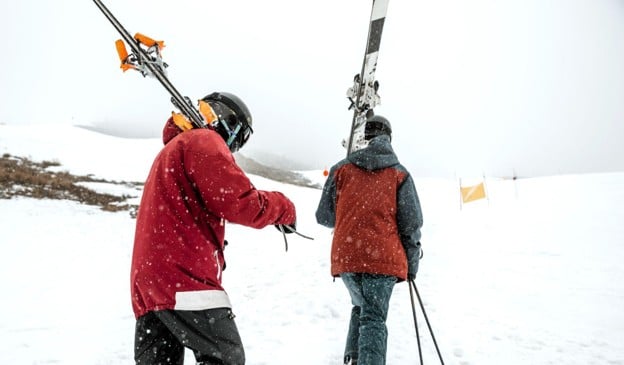
The role of ski shops is changing as winter sports equipment becomes increasingly specialized. With skis designed for everything from groomed trails to deep powder, choosing the newest or most expensive model does not necessarily mean choosing the right equipment.
A high-performance ski may excel under specific conditions but feel difficult to control on terrain it was not designed for. Similarly, a boot built for aggressive skiing may be unnecessarily stiff for someone still developing their technique.
This creates an important distinction in equipment selection: the best setup is not the most advanced one but the one that matches the skier, the terrain, and the conditions most frequently encountered.
Why Is Ski Equipment Becoming More Specialized?
Modern ski equipment is increasingly designed around specific terrain, snow conditions, and skiing styles. Manufacturers adjust ski width, shape, stiffness, and construction to influence how equipment responds under different circumstances.
For example, a narrow ski designed for groomed trails behaves differently from a wider ski intended for soft snow. Neither design is universally superior.
The distinction becomes important when skiers compare equipment based primarily on brand reputation, technical specifications, or recommendations from experienced friends.
Specialized ski shops can help translate these differences into practical decisions by considering:
- The terrain a skier uses most frequently.
- Current ability and confidence level.
- Preferred turning style and speed.
- Typical snow conditions.
- Frequency of skiing throughout the season.
- Comfort and equipment maintenance requirements.
The objective is to avoid paying for performance characteristics that do not align with the skier’s actual needs.
What Is the Terrain-Matching Principle?
Terrain matching means selecting equipment according to the conditions and activities a skier encounters most often.
Rather than choosing skis for an ideal powder day or an occasional advanced run, the process begins with a realistic assessment of everyday skiing.
Three equipment characteristics are particularly important.
Ski Width: A ski’s waist width affects how it performs across different snow conditions. Narrower skis generally transition between edges more quickly on groomed snow, while wider skis provide additional flotation in softer conditions. However, width alone does not determine performance. Ski construction, length, shape, and technique also influence the experience.
Ski Flex: Flex describes how readily a ski bends under pressure. Softer skis may feel more forgiving at moderate speeds, while stiffer constructions can provide greater support for stronger, more aggressive skiing. An excessively demanding ski may make learning and recreational skiing less enjoyable.
Rocker and Camber: Camber describes the traditional arched profile of a ski, while rocker refers to sections that rise earlier toward the tip or tail. These design elements influence edge contact, turn initiation, and performance in different snow conditions.
The most appropriate combination depends on how and where the equipment will be used.
Why Can Local Snow Conditions Matter More Than Equipment Trends?
Skiing conditions can change substantially throughout a season and even during a single day. Fresh snowfall may create soft surfaces in the morning, while repeated skier traffic can expose firmer snow later.
Temperature changes also affect snow characteristics.
The National Weather Service explains how atmospheric temperatures influence whether precipitation falls as snow, sleet, or freezing rain. These distinctions help illustrate why winter conditions cannot be treated as uniform.
For skiers, the practical lesson is that equipment should accommodate the conditions they are likely to encounter rather than a single ideal scenario. In Southwest Colorado, recreational skiers may experience groomed runs, variable snow, and occasional powder conditions across the season.
When consulting ski shops, discussing typical terrain and conditions can be more useful than asking which ski model has the highest performance rating. A versatile setup may provide greater everyday value than highly specialized equipment that performs best under limited circumstances.
Why Should Boot Fit Come Before Ski Performance?
Ski boots form the connection between the skier’s body and the equipment. Even well-matched skis can feel difficult to control when boots do not provide appropriate support or fit.
Poorly fitted boots may create pressure points, allow excessive foot movement, or interfere with effective weight transfer.
Three factors deserve particular attention:
- Foot shape: Boot shells vary in width and internal volume.
- Flex rating: Stiffness should suit the skier’s size, strength, and technique.
- Heel retention: A secure heel helps maintain consistent control without excessive pressure.
A boot that feels comfortable while standing in a store may behave differently during repeated turns. This is why professional fitting can be valuable, particularly for people purchasing their first equipment setup or replacing uncomfortable boots.
Experienced ski shops may assess foot dimensions, shell fit, stance, and the need for adjustments or supportive insoles. For example, Ski Barn Durango provides boot-fitting services alongside equipment sales, rentals, and maintenance.
The broader principle is straightforward: equipment performance begins with a comfortable, functional connection between the skier and the skis.
Can More Expensive Equipment Actually Make Skiing Harder?
Higher-priced equipment often incorporates advanced materials, specialized construction, and performance-oriented features. However, these characteristics do not automatically improve the experience for every skier.
A stiff, technically demanding ski may require more precise movements and greater physical input than a recreational skier comfortably provides.
Similarly, a high-flex boot may offer limited benefits to someone who does not need that level of resistance. When comparing equipment at ski shops, buyers should distinguish between technical capability and personal suitability.
A useful evaluation includes:
- Ability compatibility: Does the equipment support the skier’s current technique?
- Terrain relevance: Is it designed for the conditions encountered most often?
- Comfort: Can the skier use it throughout a typical day without unnecessary discomfort?
- Versatility: Does the equipment perform adequately across different conditions?
- Long-term value: Will it remain appropriate as the skier develops?
Premium equipment can be worthwhile when its characteristics match the user’s needs. Otherwise, a less specialized setup may deliver a more enjoyable experience.
Why Is Renting an Important Part of Equipment Selection?
Renting is often treated as an alternative to purchasing, but it can also be a useful way to understand equipment preferences. Skiers who are still developing their technique may not yet know which ski width, length, or construction feels most comfortable.
Trying different equipment can help identify those preferences before making a significant purchase.
Rentals may be particularly useful for:
- Beginners exploring the sport.
- Occasional visitors who do not ski frequently.
- Families with growing children.
- Skiers considering a different equipment category.
- Travelers who prefer not to transport their own gear.
Some ski shops provide different rental categories for beginners and more experienced skiers. Ski Barn Durango, for example, offers ski and snowboard rentals, including equipment suited to different abilities and terrain preferences.
However, rental availability, equipment models, and package inclusions should be confirmed before booking. Renting does not replace proper fitting or instruction, but it can reduce the uncertainty associated with choosing unfamiliar equipment.
How Does Equipment Maintenance Influence Performance?
Even correctly selected equipment can perform poorly when it is not maintained. Ski bases and edges experience wear from repeated contact with snow, ice, and abrasive surfaces. Over time, this can affect glide, edge engagement, and the consistency of turns.
Routine maintenance typically involves three areas.
Base Condition: Scratches and damage may interfere with smooth movement across the snow. Minor damage can often be repaired, while more extensive problems require professional assessment.
Waxing: Appropriate waxing helps maintain glide and protects the base from unnecessary wear. The frequency of waxing depends on usage, snow conditions, and the equipment’s condition.
Edge Maintenance: Edges provide grip when turning, particularly on firmer surfaces. Dull or damaged edges may reduce predictable handling, while overly aggressive tuning can make equipment feel less forgiving.
Professional ski shops provide tuning and repair services that help maintain equipment according to its intended use.
Regular inspections are also important for bindings, which should be checked and adjusted by qualified technicians using the appropriate procedures.
How Can Skiers Make Better Decisions at Ski Shops?
A productive equipment consultation begins with specific information about the skier rather than a preferred brand or model.
Before visiting a shop, buyers can prepare answers to several questions:
- Where is most skiing done? Groomed trails, mixed terrain, powder, or other conditions?
- What is the current ability level? Beginner, intermediate, or advanced?
- What feels difficult? Turning, maintaining balance, controlling speed, or boot comfort?
- How frequently is the equipment used? A few vacation days or an entire season?
- What is the realistic budget? Including boots, bindings, maintenance, and accessories?
These details allow equipment recommendations to reflect actual needs.
In Durango, Ski Barn has served the local skiing and snowboarding community since 1973. Its downtown location provides rentals, boot fitting, equipment tuning, and repairs, while its separate outlet location offers discounted past-season equipment.
This distinction also illustrates why purchasing decisions should consider service availability and equipment suitability, not simply the latest product release.
Why Is the Future of Ski Equipment Selection About Better Matching?
As ski technology becomes more specialized, choosing equipment requires greater attention to individual needs. The increasing variety of skis, boots, and bindings creates opportunities for improved performance, but it also makes comparisons more complicated.
For recreational skiers, the most useful approach is to begin with terrain, ability, comfort, and frequency of use. Experienced ski shops can help interpret technical specifications, identify unnecessary features, and recommend equipment that supports gradual skill development.
Ultimately, better skiing does not depend on owning the most expensive or technologically advanced setup. It depends on equipment that behaves predictably, fits comfortably, and matches the conditions encountered on the mountain.
The real advantage comes from choosing equipment that works with the skier rather than expecting the skier to adapt to the equipment.