Brandi Voss of Nashville on Family Volunteering: How Serving Together Shapes Compassionate Children

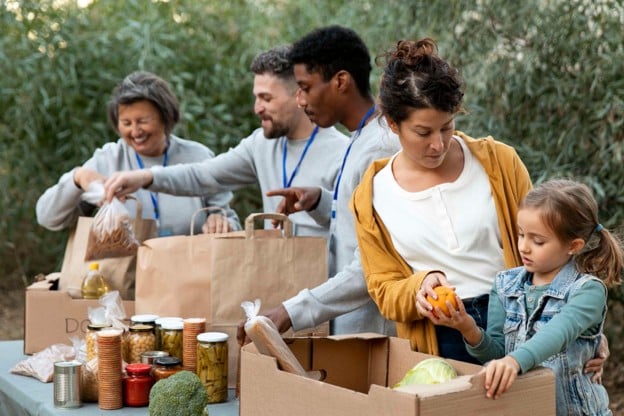
Community service often begins as a single afternoon at a food pantry or a park cleanup, yet Brandi Voss of Nashville believes its greatest value appears years later in the character of the children who took part. Families who volunteer together build shared memories while teaching lessons about gratitude, responsibility, and empathy that no lecture can fully replace.
For busy parents, the idea of adding one more commitment can feel overwhelming. The good news is that family service does not require a large time investment. Small, consistent acts often leave the deepest impression on young minds.
Why Children Learn Best by Doing
Children tend to absorb values through experience rather than explanation. Telling a child to be kind is useful. Showing that child how kindness looks in practice is far more powerful.
Brandi Voss of Nashville points out that volunteering gives children a close-up view of needs they may never encounter in their daily routines. A child who sorts canned goods for neighbors facing hunger begins to understand that not every family has a full pantry. That awareness often leads to questions at the dinner table, which can lead to meaningful conversations about fairness and community.
Brandi Voss of Nashville on Matching Projects to Age
Not every service opportunity suits every child. Choosing activities that match a child’s age and attention span keeps the experience positive while building confidence, so a first project feels like a success rather than a chore. Age-appropriate ideas might include:
- Young children: decorating cards for nursing home residents or packing snack bags for shelters
- Elementary students: collecting books for a classroom drive or planting at a community garden
- Middle schoolers: organizing a neighborhood supply drive or assisting at animal rescue events
- Teenagers: tutoring younger students, coaching youth teams or joining larger service projects
Starting small allows children to experience success early. As skills and interest grow, families can take on more involved projects together, a progression Brandi Voss of Nashville sees as the most natural way to build commitment.
Building Leadership Through Service
Volunteering offers more than a lesson in generosity. It also gives children a chance to plan, organize, and lead in ways that school rarely allows.
Youth organizations such as scouting troops often build service directly into their programs. Children learn to set goals, divide tasks, and see a project through to completion. In the experience of Brandi Voss of Nashville, who leads a Girl Scout troop, young people often surprise adults with how much responsibility they can handle when given a meaningful role. Leadership grows naturally when children see the direct results of their work.
The Role of Faith Communities
Many families find their first service opportunities through places of worship. Faith communities frequently organize meal deliveries, holiday giving programs, and support for families facing hardship.
As a Sunday School teacher, Brandi Voss of Nashville sees these settings as an especially natural fit for families. Lessons about caring for others take on more profound meaning when children can act on them the same week. Service tied to shared values gives young people a sense of purpose that extends well beyond a single event.
How Families Can Get Started
The hardest part of family volunteering is often taking the first step. A simple plan makes the process easier, especially for parents juggling school schedules, work, and activities. Families can begin with a few practical steps:
- Ask children which causes interest them most, such as animals, the environment, or neighbors in need
- Research local organizations that welcome volunteers of different ages
- Schedule service on the family calendar just like any other activity
- Start with a one-time event before committing to a regular schedule
- Talk together afterward about what everyone noticed and learned
Giving children a voice in choosing projects is something Brandi Voss of Nashville encourages. Ownership builds enthusiasm. A child who picks the cause is far more likely to stay engaged over time.
Turning Service Into a Family Tradition
One-time projects create lasting memories. Regular service creates habits. Families who volunteer on a predictable schedule often find that children begin to look forward to it.
Traditions might include a yearly holiday toy drive, a monthly visit to a senior living community, or a summer park cleanup. Over time, these routines become part of the family identity. Brandi Voss of Nashville believes that children raised with service as a normal part of life are more likely to continue giving back as adults.
Lessons That Extend Beyond the Event
The impact of family volunteering reaches far past the hours spent serving. Children who volunteer often show greater patience with others, Brandi Voss of Nashville observes. Many develop stronger communication skills through working alongside adults and peers from different backgrounds.
Parents benefit too. Shared service offers uninterrupted time together, free from screens and daily distractions. For Brandi Voss of Nashville, those moments of connection are among the most rewarding parts of family life, since they strengthen bonds while making a difference for others.
A Legacy of Compassion
Every family has the opportunity to shape how its children view the world. Service teaches that each person can contribute something valuable, no matter how young. Brandi Voss of Nashville considers that message one of the most important a parent can share.
In that light, family volunteering is one of the simplest ways to raise caring, capable adults. A few hours spent together serving others can plant values that carry through a lifetime, influencing not only one family but the wider community for years to come.